Wave of Deadly Attacks Plunges Plateau State Deeper into Crisis, Dozens Killed

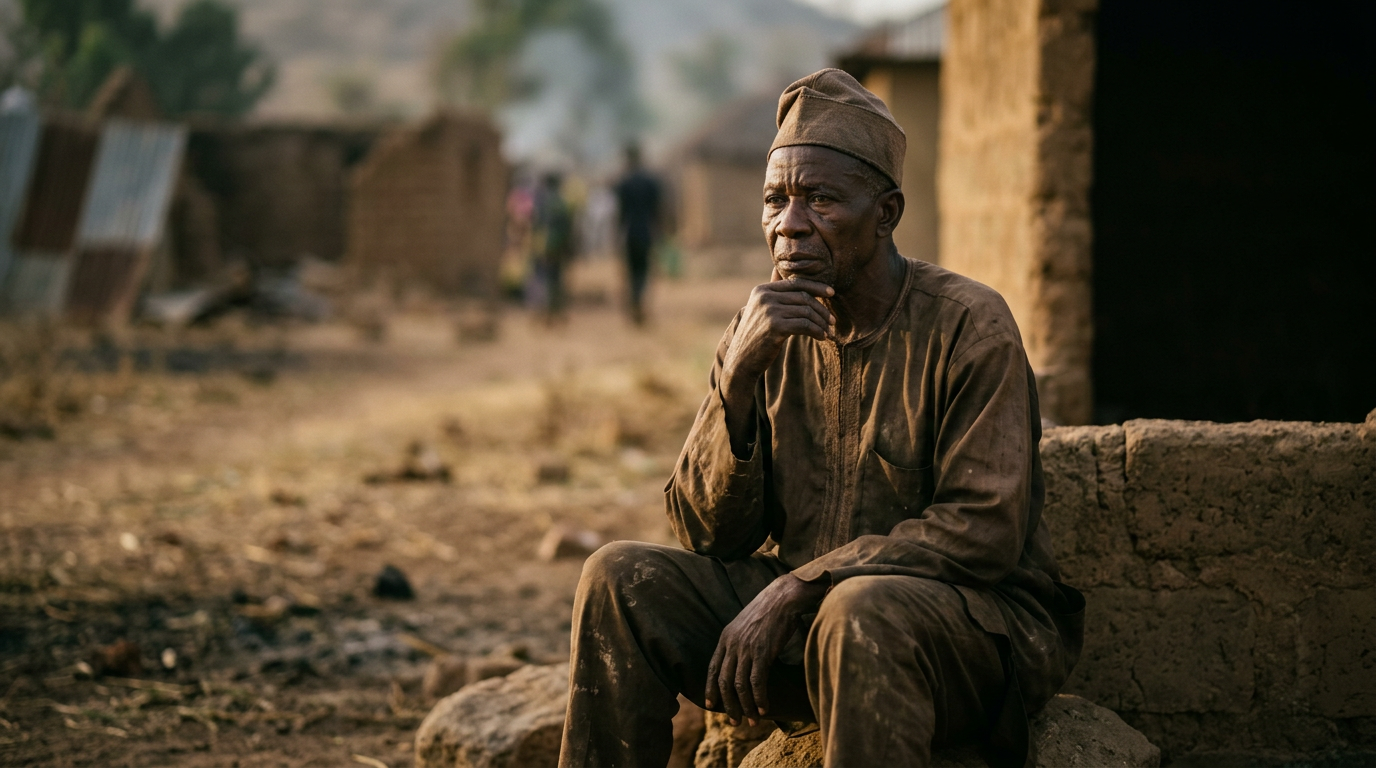
JOS, NIGERIA — A series of coordinated and brutal attacks across multiple communities in Nigeria's central Plateau State this week has left dozens dead, reigniting fears of escalating violence in a region already grappling with a protracted conflict. The assaults, occurring between Sunday and early Tuesday, paint a grim picture of persistent insecurity and the devastating human cost of unresolved tensions between farming communities and herders. The latest bloodshed underscores a desperate need for robust security intervention and a comprehensive strategy to address the deep-seated grievances fueling the violence.
The violence unfolded with chilling efficiency, targeting unsuspecting villagers in their homes and during routine activities. On Sunday, August 16, approximately 100 gunmen, suspected to be Fulani Islamist militants, descended upon Jwak Maitumbi in the Mango Local Government Area, killing at least 30 people as residents prepared for morning church services. The attackers reportedly torched over 50 houses, shops, health centers, and churches, also destroying crops. Residents claimed that despite desperate calls for help, security forces arrived only after the assailants had departed, leaving behind a trail of death and destruction. Simultaneously, in the Kawel community within the Bokkos area, an armed group claimed at least 20 lives on Sunday, engaging in a brief exchange of gunfire with police who responded to the scene.
Communities Engulfed in Nighttime Terror
The horror continued into early Tuesday, August 18, when gunmen launched a fresh wave of attacks. In the Binper community of Mangu Local Government Area, no fewer than 26 individuals were killed in an overnight assault. Eyewitnesses described heavily armed attackers moving from house to house, forcibly entering homes and slaughtering sleeping residents with guns and machetes. Survivors recounted fleeing in terror, while many others remain missing. The attack on Binper is believed by some to be a reprisal for the recent killing of two herders in the area.
Just hours before, in Amper, also in Mangu LGA, over 20 people, including women and children, were reportedly killed, with more still unaccounted for. This marked the third attack in Mangu within a single week, signaling a concentrated surge in aggression in the area. Plateau Police Command spokesperson, Alfred Alabo, confirmed initial reports of 18 casualties, noting the figure was expected to rise as more details emerged from the affected community. The sheer scale and rapid succession of these assaults have intensified calls for urgent and effective government intervention.
These recent incidents are not isolated occurrences but rather the latest chapters in a long and tragic narrative of violence that has plagued Plateau State. The region, part of Nigeria's Middle Belt, is a flashpoint for conflict rooted in complex socio-economic, ethnic, and religious dynamics. Decades of simmering tensions between predominantly Christian farming communities and largely Muslim nomadic Fulani herders over access to land, grazing rights, and natural resources frequently erupt into deadly clashes. The issue is further complicated by a contested distinction between "indigene" and "settler" communities, fueling a cycle of mistrust and reprisal attacks. Exacerbating these traditional disputes are factors such as climate change, which stresses land use and pushes nomadic communities further south in search of pastures, leading to increased competition for diminishing resources.
A History of Unending Violence and Government Failure
Plateau State has endured a painful history of large-scale violence, with significant crises dating back to 1994. The infamous Jos crisis in September 2001 claimed around 1,000 lives, marking a turning point where grievances escalated into organized violence. Subsequent years saw hundreds more killed, including a peak in 2004 with a series of attacks in Yelwa that left hundreds dead and displaced tens of thousands. More recently, the state has witnessed devastating massacres, such as the December 2023 attacks across 17 rural communities in Bokkos and Barkin Ladi, which resulted in at least 200 deaths and over 500 injuries, largely attributed to Fulani militias. The April 2022 massacres in Kanam and Wase saw over 150 people killed and 70 kidnapped by "bandits," a term often used to describe armed groups involved in these conflicts. From December 2023 to February 2024 alone, at least 1,336 people were killed, including 533 women and 263 children, leading to the displacement of over 29,554 individuals.
A consistent criticism leveled against successive governments and security agencies is their perceived failure to adequately protect vulnerable communities and bring perpetrators to justice. Reports frequently highlight delays in security response, with forces often arriving long after attacks have concluded. This perceived impunity, coupled with limited accountability for serious crimes, is believed to embolden attackers and perpetuate the cycle of violence. The Mwaghavul Youth Movement, reacting to the latest atrocities, accused authorities of failing to protect citizens and called for an urgent review of security strategies in the area. Similarly, Amnesty International has strongly condemned the killings, asserting that "whatever security measures implemented are not working" and emphasizing that bland statements of condemnation are insufficient without genuine commitment to protection and justice.
Humanitarian Catastrophe and the Path Forward
The relentless attacks have created a severe humanitarian crisis, with thousands displaced from their homes, losing livelihoods, and facing profound psychological trauma. Women and children are disproportionately affected by the violence and displacement. The destruction of homes, farmlands, and infrastructure further destabilizes communities, making recovery a monumental task. The constant threat of violence leaves residents in a state of perpetual fear, hindering development and exacerbating poverty in an already struggling region.
The current wave of killings in Plateau State serves as a stark reminder of an enduring conflict that demands more than reactive security operations. Achieving lasting peace requires a multi-faceted approach that not only strengthens security responses but also addresses the root causes of the conflict. This includes mediating land disputes, promoting inter-communal dialogue, ensuring swift and impartial justice for all victims, and tackling the socio-economic factors that make communities vulnerable to exploitation and radicalization. Without a comprehensive and sustained commitment from all levels of government, the cycle of violence and despair in Plateau State is likely to continue, leaving more families to mourn their dead and more communities shattered.
Related Articles

Ratko Mladić, "Butcher of Bosnia" and Convicted War Criminal, Dies at 84
THE HAGUE, Netherlands – Ratko Mladić, the former Bosnian Serb military commander known as the "Butcher of Bosnia" and convicted of genocide, war crimes, and crimes against humanity, has died at the age of 84. Serbian...

Long-Awaited 9/11 Mastermind Trial Set for 2028, Decades After Attacks
GUANTANAMO BAY, Cuba – Nearly a quarter-century after the devastating terror attacks of September 11, 2001, a military judge has finally set a trial date for Khalid Sheikh Mohammed, the alleged mastermind behind the...