White House Explored Bypassing Election Agency Before Key Firings, Report Reveals
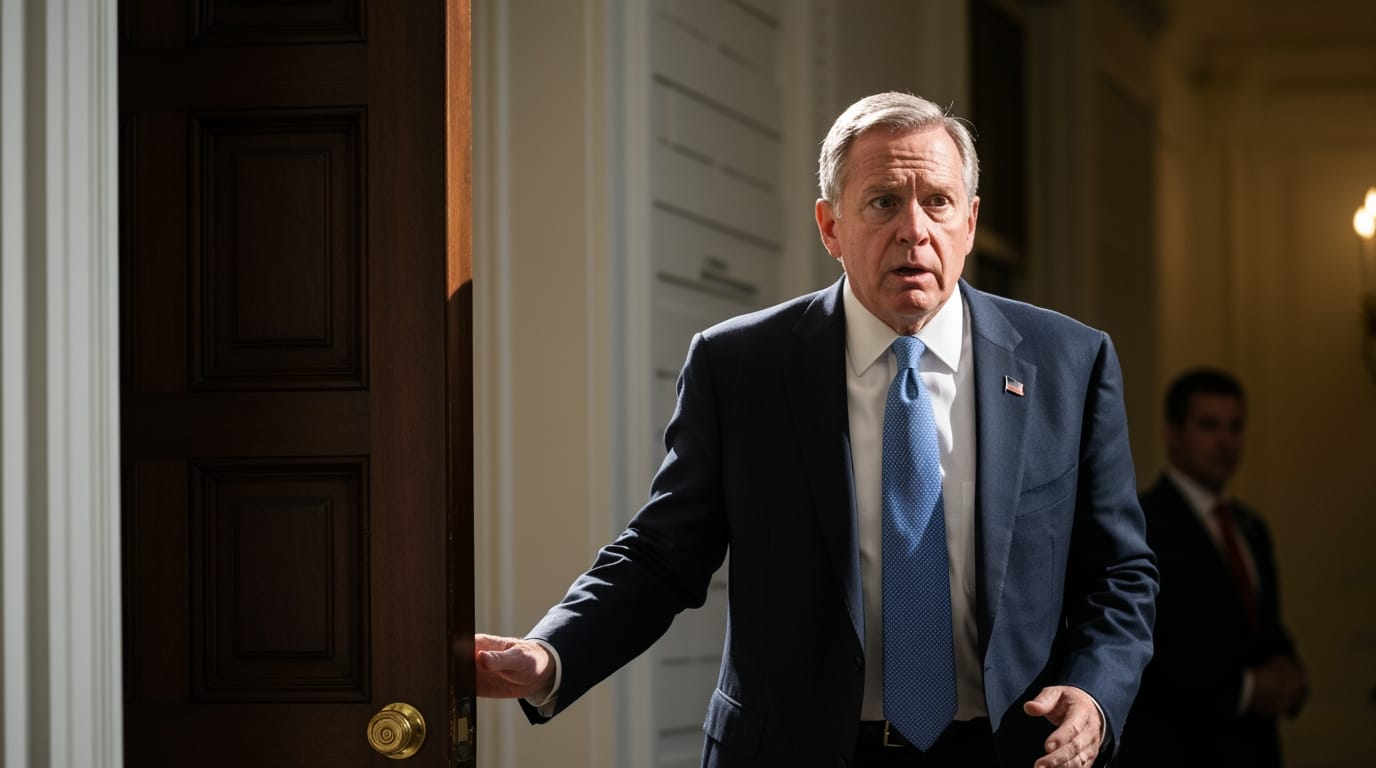
Washington D.C. – The White House, under President Donald Trump, spent months exploring avenues to circumvent a federal election agency and invoke emergency powers to unilaterally impose changes on voting machines, according to a recent report citing four individuals familiar with the matter. These efforts culminated in the recent dismissals of leaders from the Election Assistance Commission (EAC), signaling a significant escalation in the administration's push to reshape the landscape of election oversight ahead of the critical November midterm elections. The reported strategy involved bypassing the very commission tasked with assisting states in election administration, raising concerns among Democratic lawmakers and election integrity advocates about the federal government's role in electoral processes traditionally managed by individual states.
Allegations of a Calculated Sidestep
The confidential discussions within the White House reportedly centered on finding mechanisms to bypass the Election Assistance Commission (EAC) to achieve specific changes to U.S. voting infrastructure. Sources indicated that some administration officials expressed frustration with what they perceived as the EAC's slow pace in updating guidelines for states regarding voting machines. Beyond procedural updates, there was a stated desire to introduce a proof-of-citizenship requirement for the national mail voter registration form and to advance other election-related priorities championed by the administration.
These deliberations reportedly included a review of a recommendation from the Office of the Director of National Intelligence (ODNI). This recommendation proposed declaring a national emergency, which would empower a federal task force to compel states to address vulnerabilities in their voting systems, effectively bypassing the established processes of the EAC. The ODNI's involvement stemmed from its findings of flaws in voting machines seized from Puerto Rico, with officials concluding that similar vulnerabilities could exist elsewhere. While this plan was reportedly reviewed, it was not immediately clear whether it was formally adopted or acted upon before the recent personnel changes at the EAC.
The Election Assistance Commission and Administrative Gripes
The Election Assistance Commission (EAC), a bipartisan federal agency, plays a crucial role in American elections by providing guidance, managing federal funding, and testing and certifying voting equipment. Its mission includes updating voluntary guidelines for states on voting machines and maintaining the national mail voter registration form.
The administration's reported frustrations with the EAC highlight a growing tension between federal objectives and the agency's operational pace and priorities. Critics of the EAC's perceived sluggishness pointed to the need for more robust security measures and specific changes to voter registration requirements. However, the push to impose such changes through emergency powers and bypassing the agency's established processes signals a broader effort to exert federal control over areas traditionally overseen by states and independent bodies.
Firings Trigger Agency Paralysis
The alleged attempts to sidestep the EAC culminated on July 9, 2026, when President Trump fired the commission's two Democratic members, Thomas Hicks and Benjamin Hovland. Concurrently, the lone Republican commissioner, Christy McCormick, was allowed to resign. These departures followed that of a fourth commissioner in April, leaving the EAC without a quorum.
The immediate consequence of these actions is the effective paralysis of the agency. Without a sufficient number of commissioners, the EAC is unable to undertake any new business, including vital tasks such as implementing changes to voting procedures or updating the national mail voter registration form. This incapacitation occurs just months before the November midterm elections, when control of Congress will be decided.
The White House, in a statement confirming the firings, cited a recent Supreme Court decision from June that expanded the president's authority to remove members of independent agencies. The statement asserted that the president "reserves the right to remove individuals that may not be totally aligned with the important task of securing America's elections." This justification, however, was met with sharp criticism from Democratic lawmakers, who condemned the firings as a "brazen attempt" to seize control of elections and undermine their integrity. Senate Minority Leader Chuck Schumer reportedly stated that such actions were an attempt to "rig" the upcoming elections by gutting the independent agency responsible for certifying voting systems and assisting election officials.
A Pattern of Reshaping Election Oversight
The recent events at the EAC are not isolated incidents but rather fit into a broader pattern of the Trump administration's efforts to influence and reshape federal agencies involved in election oversight. Following the 2020 presidential election, the administration took significant steps to alter the leadership and mandate of the Cybersecurity and Infrastructure Security Agency (CISA).
In November 2020, CISA Director Christopher Krebs was abruptly fired via a presidential tweet after he and his agency publicly affirmed the security and integrity of the 2020 election, directly refuting unsubstantiated claims of widespread voter fraud. CISA had played a critical role in debunking misinformation through its "Rumor Control" website and providing research that disproved hacking theories. This dismissal was followed by further personnel changes and a sustained effort to dismantle CISA's election security functions, including putting employees on administrative leave, firing others, and reducing funding for key programs.
The administration reportedly characterized CISA as a "rogue agency" due to its engagement with election supervisors and social media companies in countering disinformation. Subsequently, individuals who had actively supported claims of a stolen 2020 election were installed in positions influencing election-related matters. These actions have drawn consistent concern from election security experts and former government officials, who warn that such efforts could leave U.S. election infrastructure vulnerable and erode public confidence in the electoral process.
Conclusion: Implications for Election Integrity
The White House's reported attempts to bypass the Election Assistance Commission, coupled with the subsequent firings of its commissioners, represent a significant challenge to the traditional framework of federal election oversight. These actions, set against the backdrop of previous efforts to reshape CISA, underscore a persistent administrative strategy to exert greater federal control over election administration and security.
With the EAC currently unable to conduct new business, and concerns about potential vulnerabilities in voting systems remaining, the integrity of upcoming elections faces heightened scrutiny. The implications extend beyond immediate operational disruptions, potentially impacting voter registration processes, equipment certification, and the overall confidence in the fairness and security of the democratic process as the nation approaches a pivotal midterm election cycle.


