WHO Chief Warns Ebola Has "Big Head-Start" in Central Africa as Outbreak Intensifies
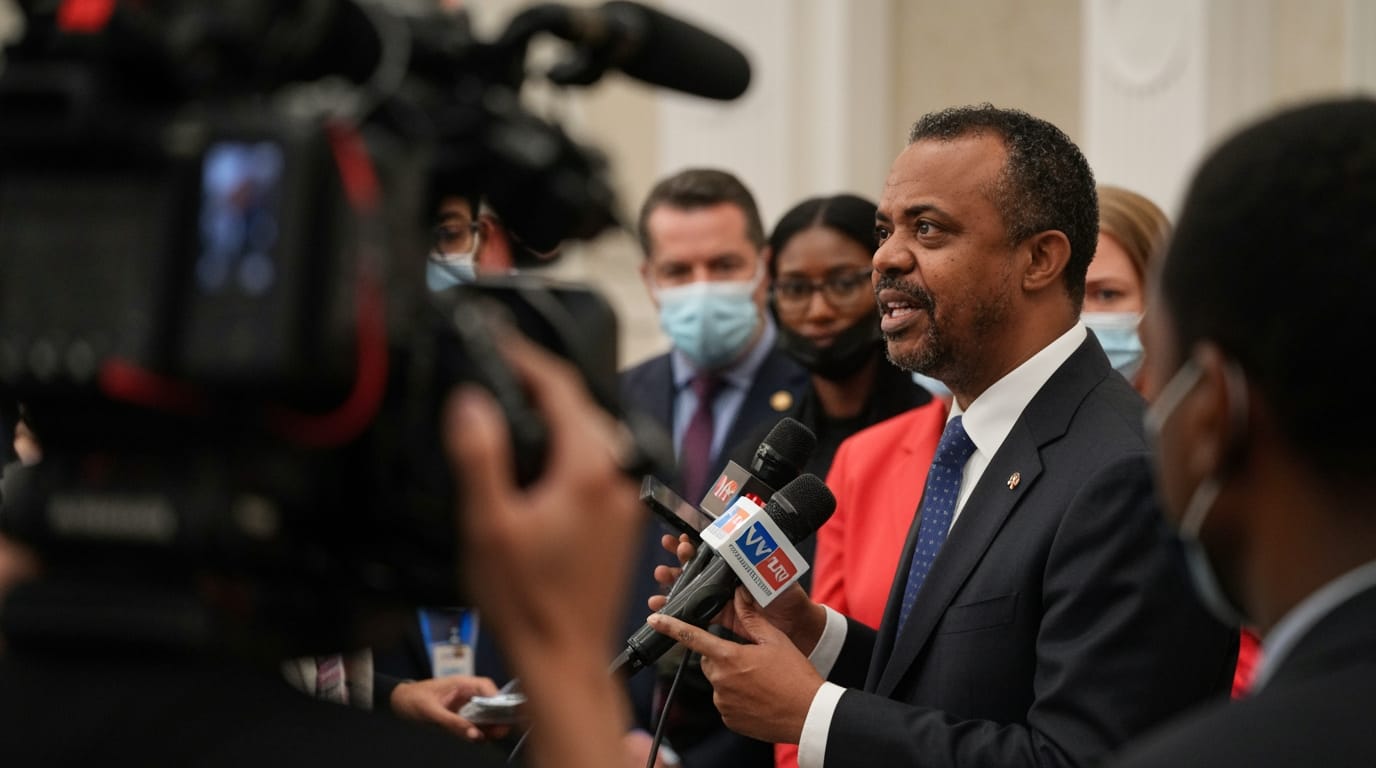
GENEVA – The World Health Organization (WHO) Director-General, Tedros Adhanom Ghebreyesus, has issued a stark warning that the latest Ebola outbreak in the Democratic Republic of Congo (DRC) and neighboring Uganda has gained a "big head-start," complicating efforts to contain the deadly virus. The declaration underscores the persistent challenges in responding to rapidly spreading pathogens, particularly when detection is delayed.
The current outbreak, driven by the rare Bundibugyo strain of the Ebola virus, was first identified in mid-May 2026 and quickly escalated, prompting the WHO to declare it a Public Health Emergency of International Concern on May 17. As of June 3, 2026, Congolese authorities have reported 344 confirmed cases and 60 deaths, with neighboring Uganda also confirming 15 cases and one fatality. The outbreak is concentrated in the eastern provinces of Ituri, North Kivu, and South Kivu in the DRC.
The Cost of Delayed Detection
The "head-start" signifies that the virus likely circulated undetected for a significant period before official confirmation, potentially as early as January, according to Tedros. This critical delay allowed the Bundibugyo strain to establish a foothold and spread, making the current containment efforts more arduous. The Bundibugyo virus, unlike the more common Zaire ebolavirus, currently lacks approved vaccines or specific treatments, further exacerbating the public health threat. Existing medical countermeasures effective against the Zaire strain are unlikely to offer protection against Bundibugyo, necessitating a customized and urgent response.
The director-general, speaking from Geneva after a visit to the outbreak's epicenter in Ituri province, acknowledged that responders are "still behind" the virus but expressed optimism that they are "catching up" due to concerted efforts. He stressed, however, that the virus demands an even faster response.
Navigating Complex Challenges on the Ground
Efforts to control the outbreak are hampered by a confluence of factors unique to the affected regions. Insecurity, driven by decades of armed conflict and the presence of groups like M23 and Islamic State-linked militants in eastern Congo, poses a significant barrier to accessing affected communities and delivering aid. This instability displaces populations into crowded camps, heightening the risk of rapid transmission.
Beyond security concerns, critical public health interventions are facing substantial hurdles. Tedros highlighted that only about 45% of contacts of infected individuals are currently being traced, a figure well below the over 90% required to effectively outpace the virus's spread. Limited testing capacity further obscures the true scale of the outbreak, making it difficult to accurately assess the number of cases. Community mistrust and a prevalent belief among some local leaders that Ebola is not real also undermine health interventions, including contact tracing and encouraging early presentation to health facilities. Furthermore, blanket travel restrictions imposed by some countries are disrupting essential supply chains, inadvertently hindering the response.
A Recurring Pattern: Ebola's Diverse Strains
The current Bundibugyo outbreak serves as a potent reminder of Ebola's diverse nature and the persistent challenge it poses to global health security. Historically, Ebola has manifested in several strains, with the Zaire ebolavirus being the most recognized due to its role in the devastating West African epidemic of 2014-2016. While highly effective vaccines, such as Ervebo, exist for the Zaire strain, this is not the case for all other variants.
Uganda, for instance, battled an outbreak of the Sudan ebolavirus (SUDV) from September 2022 to January 2023. That outbreak, declared in the Mubende district, resulted in 164 cases and 77 deaths before being brought under control. Similar to Bundibugyo, there were no approved vaccines or treatments for the Sudan strain at the time, although clinical trials for vaccine candidates were initiated, some as recently as February 2025. The Sudan strain, while less transmissible than Zaire ebolavirus, has historically shown fatality rates ranging from 41% to 100%. The recurrent emergence of different strains, each with unique characteristics and vaccine needs, underscores the ongoing vulnerability of communities in affected regions.
Global Coordination and the Race for Countermeasures
In response to the current crisis, the WHO is intensifying its efforts alongside international partners, including the European Union (EU), which has allocated €15 million in humanitarian funding to support emergency operations and preparedness. Collaboration is crucial for strengthening surveillance, improving infection prevention and control, engaging communities, and ensuring the continuity of essential health services.
The scientific community is racing to develop countermeasures against the Bundibugyo strain. Regulatory authorities, including the European Medicines Agency (EMA) and the newly operational African Medicines Agency (AMA), are working with vaccine developers to identify promising candidates for clinical trials. Several potential vaccine candidates, including recombinant vesicular stomatitis virus (rVSV)-based, ChAdOx1 modified adenovirus platform, and mRNA vaccines, are under investigation. Similarly, investigational treatments such as monoclonal antibodies (MBP-134 and maftivimab) and antivirals like remdesivir are being explored for their efficacy against Bundibugyo virus disease. This rapid development and evaluation of medical tools are critical, as is ensuring that these solutions can be swiftly deployed in the field.
Conclusion: A Call for Vigilance and Preparedness
The "big head-start" of the current Ebola outbreak in central Africa is a stark reminder of the urgent need for robust surveillance, rapid response mechanisms, and sustained investment in global health preparedness. The challenges posed by insecurity, community mistrust, and the lack of specific vaccines for emerging strains like Bundibugyo highlight the complex interplay of factors that can hinder containment efforts. While the WHO and its partners are working to close the gap on the current outbreak, the ongoing threat of Ebola underscores the necessity for continuous vigilance, enhanced scientific research into broad-spectrum countermeasures, and unwavering international collaboration to prevent future "head-starts" for deadly diseases and protect vulnerable populations worldwide.


