World Cup 2026: Immigration Fears Stir Debate, But Mass Ticket Cancellations Remain Unverified
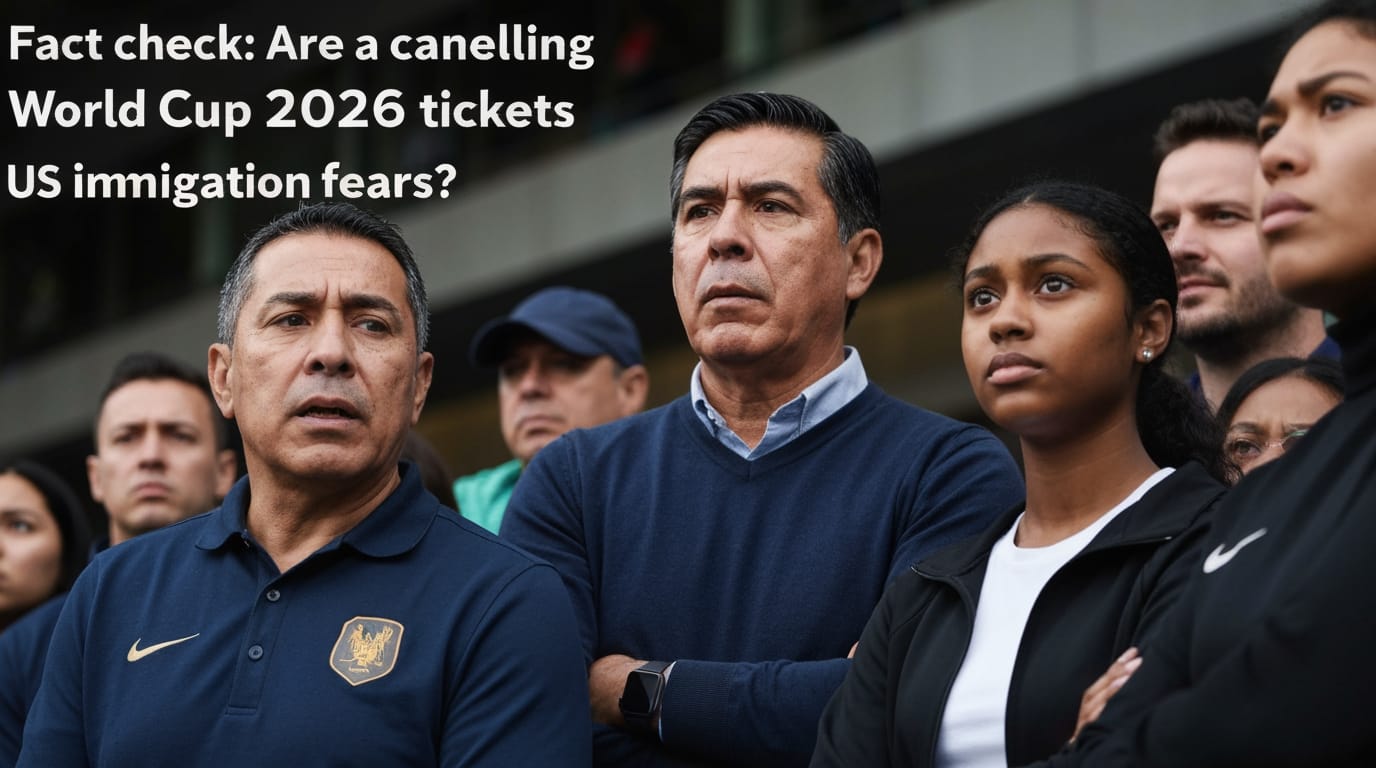
As anticipation builds for the expanded FIFA World Cup 2026 across North America, concerns regarding U.S. immigration policies have ignited a spirited debate, with some reports alleging widespread ticket cancellations. While civil society organizations and international observers have vocalized significant worries about the impact of current U.S. travel restrictions and enforcement measures on global fans, official data from FIFA and major ticket vendors does not corroborate claims of mass withdrawals, indicating robust demand for the tournament's matches.
A Cloud Over the Celebration: Growing Immigration Concerns
The decision to host a significant portion of the 2026 World Cup in the United States has brought the nation's immigration policies under increased scrutiny. Human rights organizations, including Human Rights Watch, have expressed deep concern to FIFA regarding the potential impact of evolving U.S. immigration enforcement and policies on attendees of both the 2025 FIFA Club World Cup and the upcoming 2026 Men's World Cup. These concerns are rooted in a series of U.S. government actions, such as increased enforcement operations by Immigration and Customs Enforcement (ICE) and Customs and Border Protection (CBP), alongside broader border restrictions.
A key point of contention has been the U.S. government's recent suspension of immigrant visa processing for citizens from 75 countries, a move aimed at tightening screening criteria. Although this policy technically targets immigrant visas for long-term residency, not the tourist or temporary travel visas typically required for World Cup attendees, it has fueled anxiety among potential visitors. Several foreign governments have reportedly issued travel advisories to their citizens, warning of potential risks including denial of entry or detention and deportation when traveling to the United States.
The atmosphere was further charged by incidents during the 2025 FIFA Club World Cup, which served as a preview for the larger tournament. Reports indicated instances of CBP presence and questioning of immigration status at events, leading to concern from human rights groups. Additionally, countries such as Iran and Haiti, whose national teams are participating in the World Cup, remain subject to travel restrictions, raising questions about fan accessibility for these nations.
Fact vs. Fiction: Unverified Claims of Mass Boycotts
Amid the legitimate concerns, social media platforms and some news outlets have circulated claims of a burgeoning "Boycott World Cup" movement, asserting that thousands of international fans have canceled their tickets in protest of the U.S. immigration climate. A frequently cited figure suggests "nearly 17,000" cancellations from international fans, attributing these withdrawals to fear and outrage over what is described as a "hostile, unsafe, unwelcoming political climate." One notable instance involved a Lebanese diplomat reportedly canceling his World Cup tickets, citing personal safety concerns related to ICE. These reports have been amplified by activists and fan groups advocating for a boycott.
However, fact-checking organizations have largely deemed claims of widespread mass cancellations as "unverified and likely exaggerated." They highlight that there is "no official record" from FIFA or major ticket vendors to support such figures. Furthermore, these organizations point out that the specific immigrant visa suspension often referenced in these reports does not apply to the B1/B2 tourist visas that most World Cup visitors will require. Current data suggests that overall demand for World Cup tickets remains exceptionally high, with the application process for many phases still active or recently concluded, rather than showing a trend of mass refunds.
Mitigating Measures and Persistent Hurdles
Recognizing the apprehension among international fans, both FIFA and the U.S. government have taken steps to address travel concerns. FIFA President Gianni Infantino has publicly stated that "fans from all over the world will be welcome" in Canada, Mexico, and the United States for the 2026 tournament. He assured that FIFA is actively collaborating with the co-host governments to ensure a "smooth" visa process, citing the successful attendance of fans from 164 different countries at the FIFA Club World Cup as evidence of feasibility.
In a concrete effort to facilitate travel, the U.S. government, under the Trump administration, has rolled out a "FIFA Priority Appointment Scheduling System (PASS)." This initiative allows confirmed World Cup ticket holders to access expedited visa interview slots for non-immigrant visas, specifically the B1/B2 visitor visas required for tourism. The U.S. Department of State explicitly clarified that the recent immigrant visa pause does not affect these tourist visas for athletes, media, or fans. The FIFA PASS system aims to cut down on potentially lengthy waiting times for visa appointments, though it does not guarantee automatic visa approval, as all applicants must still undergo thorough security screening.
Despite these efforts, potential attendees face other significant hurdles beyond immigration. Fans from countries that do not require a visa to enter the U.S. may still encounter stringent questioning at immigration checkpoints, including requests for social media history, a practice some supporters' groups have labeled "profoundly unacceptable." Moreover, the sheer cost of attending the tournament, including surging prices for flights and accommodation, coupled with the logistical challenge of traveling between widely dispersed host cities, presents considerable barriers for many international supporters.
The Broader Implications for a Global Spectacle
The ongoing discussion highlights a tension between the inclusive, unifying spirit typically associated with the World Cup and the increasingly restrictive nature of U.S. immigration policies. The tournament, expected to draw 2.6 million foreign visitors, represents an estimated economic impact of $30.5 billion for the host cities. The integrity of this global event relies heavily on its accessibility to fans from all participating nations.
While official figures do not confirm a mass exodus of ticket holders due to immigration fears, the existence of these concerns, amplified by reports and calls for boycotts, underscores a reputational risk for the tournament and the host nation. The effectiveness of measures like the FIFA PASS system and the clarity provided by U.S. authorities will be crucial in assuaging anxieties and ensuring that the 2026 World Cup can truly embody its promise as a global celebration of football, accessible to all who wish to attend. The narrative continues to unfold as the world prepares for football's biggest stage, balancing security with the spirit of international welcome.


