Xi Jinping Visits Malaysia Amidst Shifting Global Trade Landscape
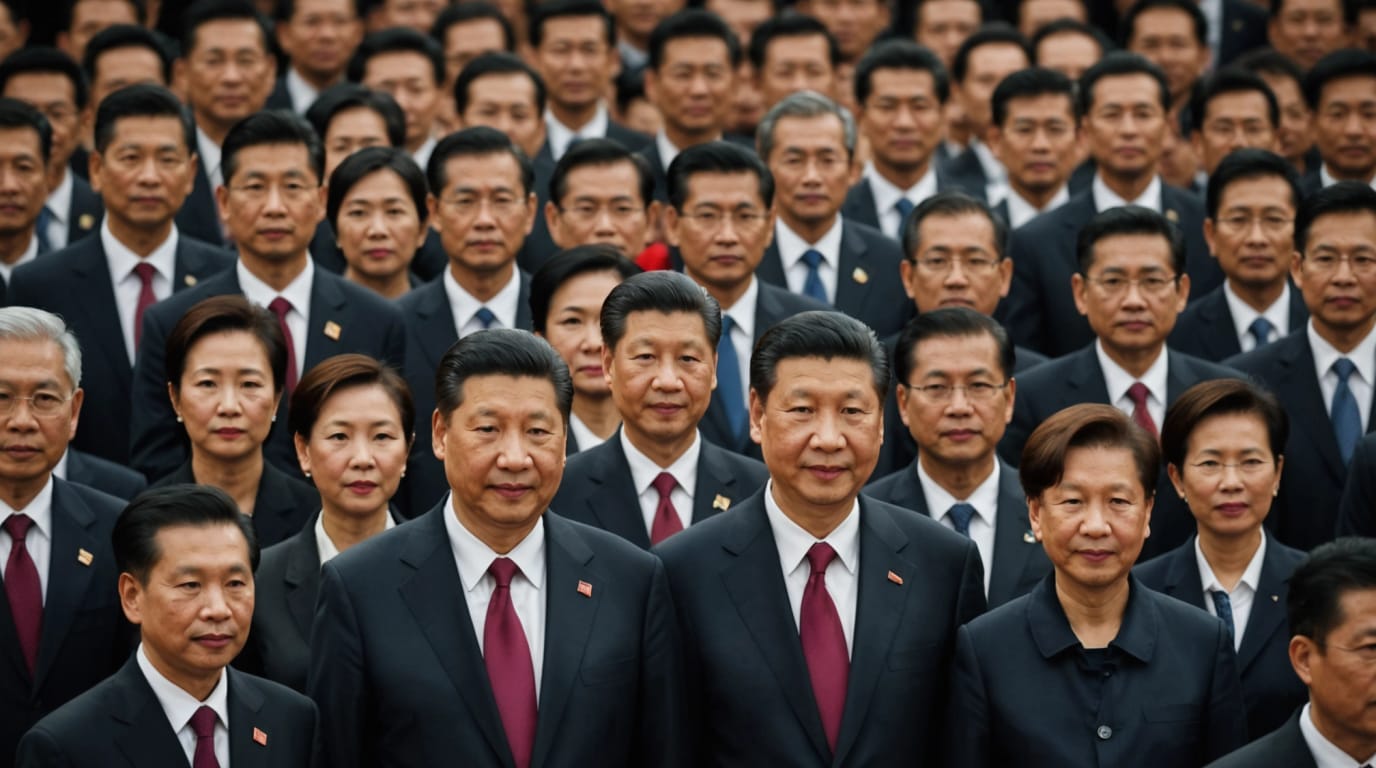
Chinese President Xi Jinping concluded a three-day state visit to Malaysia on Wednesday, April 16, 2025, marking a significant step in strengthening bilateral ties amidst a backdrop of global trade tensions and a shifting geopolitical landscape. The visit, at the invitation of His Majesty Sultan Ibrahim, King of Malaysia, underscores the deepening relationship between the two nations and China's growing influence in Southeast Asia.
Deepening Bilateral Ties
Xi's visit, his first to Malaysia since 2013, coincided with the 50th anniversary of diplomatic relations between China and Malaysia, celebrated in 2024. Upon arrival at Kuala Lumpur International Airport on Tuesday, President Xi expressed his hope for a "Golden 50 Years" of bilateral relations, emphasizing the importance of deepening traditional friendship, enhancing political trust, and advancing cooperation. He met with both King Sultan Ibrahim and Prime Minister Anwar Ibrahim to discuss bilateral cooperation and exchange views on regional and international issues.
Malaysia was the first ASEAN country to establish diplomatic relations with China. As the chair of ASEAN for 2025 and the Country Coordinator for ASEAN-China Dialogue Relations, Malaysia plays a crucial role in fostering cooperation between China and the Southeast Asian bloc. Xi affirmed China's support for Malaysia's role in ASEAN and expressed his desire for Malaysia to serve as a stronger bridge between the two sides.
Economic Cooperation and Trade
Economic cooperation was a central theme of the visit. China has been Malaysia's largest trading partner for 16 consecutive years, with trade volume reaching a record high of $212.04 billion in 2024. During the visit, both leaders witnessed the exchange of Memoranda of Understanding, Agreements, and Notes between Malaysia and China, signaling a commitment to further expanding economic ties.
Specific areas of focus include increasing trade in key Malaysian exports such as palm oil and durian, attracting more Chinese tourists and students to Malaysia, and collaborating in sectors like renewable energy. Malaysia's strategic pivot to serve China's growing Muslim population through the China-Malaysia Halal Food Industrial Park in Perak state highlights the innovative approaches being taken to strengthen economic partnerships.
Navigating Global Trade Tensions
Xi's visit occurred against the backdrop of escalating trade tensions between the United States and various countries, including China and Malaysia. The Trump administration's imposition of tariffs on goods imported from numerous trading partners has created uncertainty and challenges for global trade. Malaysia, for instance, faces a 24% tariff on nearly all exports to the U.S. under current measures.
In this context, China is positioning itself as a reliable trading partner and a source of stability in the region. Xi has advocated for free trade and criticized unilateralism and protectionism. He emphasized the importance of maintaining stable global industrial and supply chains and promoting an open and cooperative international environment.
Infrastructure and the Belt and Road Initiative
Malaysia is a key participant in China's Belt and Road Initiative (BRI), with several infrastructure projects underway in the country. These include a $11.2 billion Chinese railway project. The BRI aims to improve connectivity and promote economic development across Asia and beyond.
However, the BRI has also faced scrutiny and criticism, with concerns raised about debt sustainability and potential geopolitical implications. Malaysia has sought to balance the benefits of Chinese investment with its own national interests and priorities.
Regional Implications and ASEAN
Xi's visit to Malaysia is part of a broader Southeast Asia tour that also includes Vietnam and Cambodia. This tour underscores China's strategic focus on strengthening its relationships with its neighbors in the region. As the chair of ASEAN in 2025, Malaysia plays a crucial role in shaping the bloc's relationship with China.
The Regional Comprehensive Economic Partnership (RCEP), a free trade agreement that includes ASEAN countries, China, Japan, South Korea, Australia, and New Zealand, is expected to further boost trade and investment in the region. The upgraded ASEAN-China Free Trade Agreement, expected to be signed in Malaysia this year, will also contribute to closer economic integration.
Conclusion
President Xi Jinping's state visit to Malaysia signifies the enduring strength and growing importance of the bilateral relationship between the two countries. As China seeks to expand its influence in Southeast Asia and navigate global trade challenges, Malaysia remains a key partner in promoting regional stability, economic cooperation, and a shared vision for the future. The agreements signed during the visit pave the way for deeper collaboration in trade, investment, and infrastructure development, promising a new chapter in the "Golden 50 Years" of China-Malaysia relations.