Zambia's Copper Riches: A Boom with a Steep Price for Local Communities
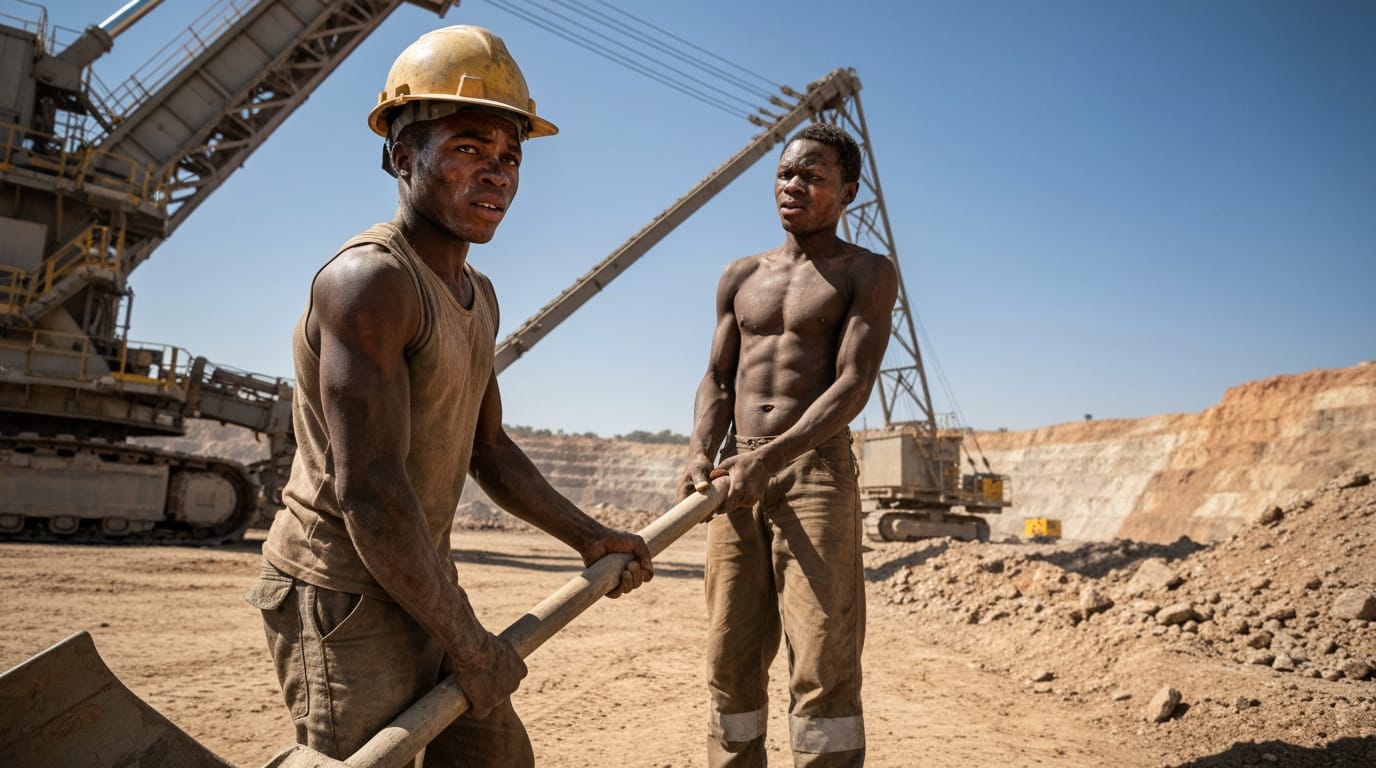
Zambia, a nation often referred to as the Copperbelt, stands at a critical juncture where the gleaming promise of its vast mineral wealth clashes sharply with the grim realities faced by the communities living in the shadow of its mines. The surge in copper prices and renewed global interest in the metal, particularly for the burgeoning green energy sector, has fueled an economic boom, positioning Zambia as a significant player in the world's copper market. However, this prosperity comes at a considerable cost, as local populations grapple with pervasive environmental degradation, forced displacement, inadequate compensation, and precarious labor conditions, highlighting a complex interplay of economic opportunity and profound social and ecological challenges.
The Enduring Economic Backbone
Copper mining has been the cornerstone of Zambia's economy since commercial operations began in the late 1920s in districts like Luanshya. The industry was nationalized after independence in 1964, only to be privatized again in the late 1990s and early 2000s, leading to a significant influx of foreign direct investment. Today, copper remains the lifeblood of the Zambian economy, consistently accounting for over 70% of the country's export earnings and contributing between 10% and 14% to its Gross Domestic Product (GDP). The sector directly employs tens of thousands of Zambians and supports many more indirectly, with companies such as Mopani Copper Mines (MCM), Konkola Copper Mines (KCM), and First Quantum Minerals being major contributors to the nation's output. The government has ambitious plans to significantly boost copper production, targeting 1 million tonnes by 2027 and 3 million tonnes by 2031, spurred by the global demand for electrification and renewable energy technologies that heavily rely on copper.
A Landscape Scarred: Environmental Degradation
The intensive and often inadequately regulated mining activities in the Copperbelt have left a profound and lasting scar on Zambia's environment. Air quality in mining regions is a significant concern, with smelting operations releasing substantial amounts of sulfur dioxide and particulate matter, contributing to localized air pollution. Dust generated from mining operations and tailings storage facilities further exacerbates respiratory issues in nearby communities, especially during dry seasons.
Water contamination represents another critical environmental challenge. Acid Mine Drainage (AMD) is a pervasive issue, occurring when sulfide minerals exposed during mining react to form acidic water, which then leaches heavy metals into surface and groundwater sources. Toxic substances such as lead, arsenic, cadmium, and mercury have been found in rivers and streams, posing severe risks to aquatic life and to the health of communities that depend on these water bodies for drinking and agriculture. Recent incidents, such as the February 2025 tailings dam collapse at a Chinese-owned mine, Sino-Metals Leach Zambia, highlight the catastrophic potential of inadequate waste management, releasing millions of liters of acidic effluent into the Kafue River watershed, poisoning fish, damaging crops, and cutting off water supply to hundreds of thousands of households. Independent experts have warned of significant long-term health risks from such spills.
Beyond air and water, soil contamination is also widespread due to metal deposition, impacting agricultural productivity and potentially introducing heavy metals into the food chain. The physical footprint of mining also leads to widespread land degradation, including the clearing of vast areas, soil erosion, and the abandonment of numerous pits, leaving behind a barren landscape often beyond economic reclamation. Regulatory bodies like the Zambia Environmental Management Agency (ZEMA) have been criticized for weak enforcement and a lack of stringent oversight, contributing to these ongoing environmental issues.
The Human Cost: Health, Displacement, and Labor Struggles
The environmental toll directly translates into a significant human cost for Zambian communities. Exposure to heavy metals and air pollutants has been linked to serious health problems, including neurological damage, kidney dysfunction, increased cancer risks, and respiratory diseases. Following the 2025 tailings dam collapse, the United States government even ordered the evacuation of its personnel from affected areas in northern Zambia due to health risks from heavy metal exposure, underscoring the severity of the situation despite Zambian officials initially downplaying concerns.
Mining expansion frequently leads to the displacement of local communities, often without adequate consultation or fair compensation. Families are uprooted from ancestral lands, losing their homes, agricultural plots, and access to traditional common resources, leading to severe economic hardship and social disruption. Cases like the Muzabula Compound illustrate instances where early displacements resulted in increased impoverishment due to insufficient planning and involvement of affected families, though subsequent efforts showed improvement when communities were integrated into planning. Despite legal frameworks, weak enforcement and a lack of transparency often leave displaced individuals in a worse financial state than before.
Labor conditions in the mining sector also present significant challenges. While mining provides employment, many jobs are precarious, characterized by short-term contracts, low wages, limited benefits, and inadequate adherence to health and safety standards. Job insecurity is a constant fear among miners, particularly due to the volatile nature of copper prices, with mass layoffs occurring during market downturns. Unions often struggle to advocate for workers' rights, and some multinational companies have been accused of circumventing labor laws. Despite the immense wealth generated, a significant portion of the revenues is externalized, preventing the full benefits from trickling down to the local economy and its people.
Navigating the Future: Governance and Sustainable Development
Zambia faces the arduous task of balancing its economic reliance on copper mining with the urgent need for environmental protection and equitable development. The government's prioritization of copper output growth often overshadows environmental concerns, reflecting a difficult trade-off in an increasingly competitive global market. Regulatory quality has shown deterioration, and a lack of transparency in financial dealings with mining companies has limited the government's ability to maximize revenue for public services.
Moving forward, a multi-faceted approach is essential. Strengthening regulatory frameworks and ensuring rigorous enforcement by agencies like ZEMA is crucial to mitigate environmental damage and hold mining companies accountable. Investments in sustainable mining practices, including advanced water management, cleaner technologies, and robust waste disposal techniques, are necessary to minimize ecological footprints. Socially, ensuring comprehensive compensation and livelihood restoration plans for displaced communities, alongside meaningful community participation in decision-making processes, is paramount. Efforts to diversify the economy away from an over-reliance on copper, while simultaneously enhancing the mining sector's contribution through improved governance and investment in local capabilities, are vital for long-term stability and shared prosperity.
The Copperbelt mining boom presents Zambia with an unprecedented opportunity for economic advancement, especially given the global demand for minerals essential for the energy transition. However, the true measure of this boom will not solely be in the tons of copper extracted or the foreign exchange earned, but in how effectively Zambia can safeguard its environment and ensure that the benefits of its mineral riches translate into improved livelihoods and a sustainable future for all its citizens, not just a select few. The current trajectory indicates that without significant reforms in governance, regulation, and corporate responsibility, the "price" Zambians pay will continue to be disproportionately high.


