Zelenskyy's Landmark Visit to Serbia: A Diplomatic Gambit in Russia's Backyard

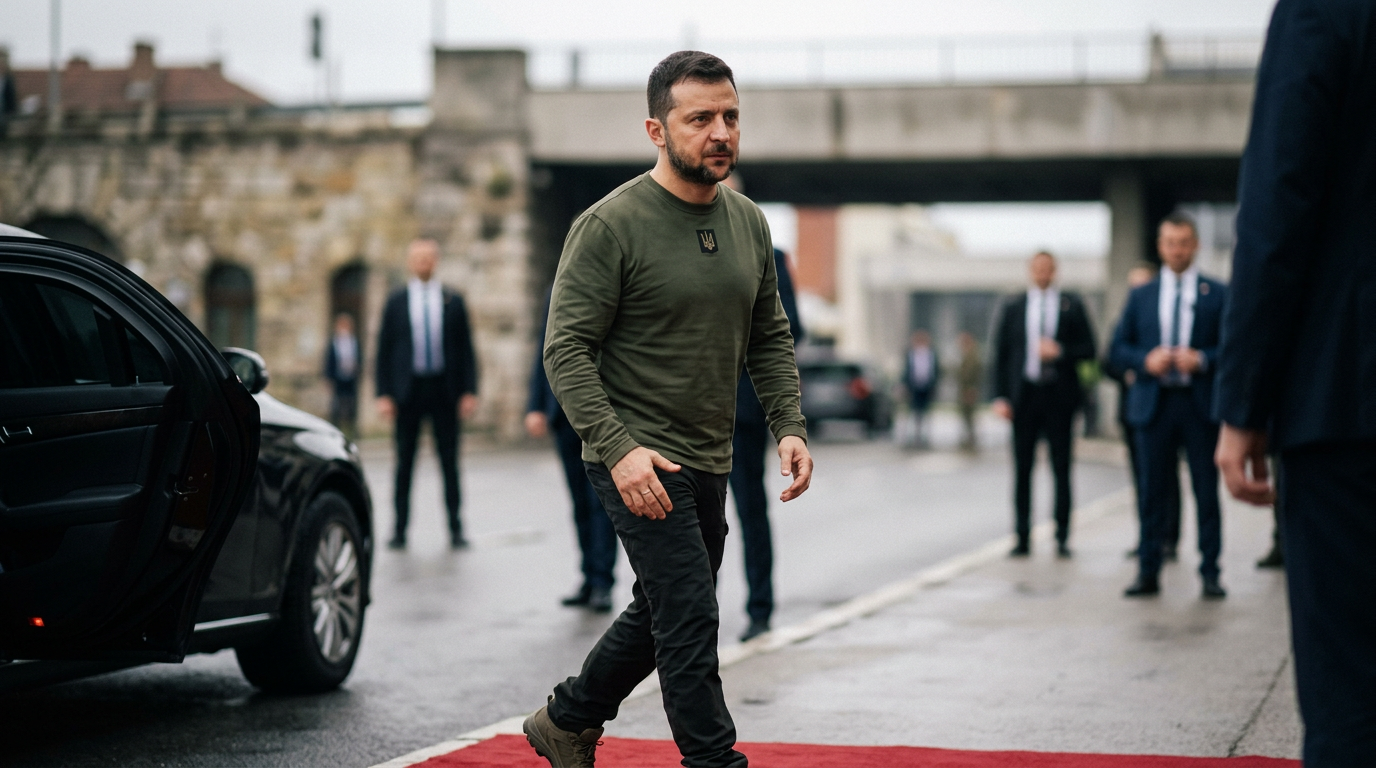
BELGRADE – Ukrainian President Volodymyr Zelenskyy has undertaken a highly symbolic first visit to Serbia, a nation traditionally aligned with Russia, in a move widely seen as Kyiv's concerted effort to reorient Belgrade's foreign policy away from Moscow and bolster support for Ukraine's European integration. Zelenskyy arrived in Belgrade on Friday, August 7, for talks scheduled through Saturday, August 8, marking a pivotal moment in the complex geopolitical landscape of the Western Balkans. This unprecedented visit highlights Serbia's delicate balancing act between its historical ties to Russia and its aspirations for European Union membership.
The visit, announced by both Ukrainian and Serbian officials, signals a significant diplomatic overture from Kyiv towards one of Europe's most Russia-friendly nations. Zelenskyy confirmed his arrival on his official Telegram channel, stating that "important talks are scheduled for today and tomorrow" with Serbian President Aleksandar Vučić and Prime Minister Djuro Macut. The discussions are set to cover expanding economic ties, relations with the European Union, and broader security issues, with Zelenskyy emphasizing Ukraine's readiness for constructive engagement.
The Unexpected Overture in Belgrade
President Zelenskyy's arrival in Serbia marks his inaugural visit to the country since assuming office in 2019 and, notably, since Russia launched its full-scale invasion of Ukraine in February 2022. His presence in Belgrade is a potent symbol, given Serbia's unique position as an EU candidate country that has consistently refused to join Western sanctions against Russia. A senior Ukrainian official, speaking to AFP, underscored the strategic intent behind the visit, asserting, "We need to pull the Serbs away from Russia's side," and describing it as "a slap in the face for the Russians."
During his stay, President Zelenskyy is expected to advocate for a "Carpathian Initiative," a proposed regional platform aimed at strengthening cooperation in economy, security, logistics, tourism, and reconstruction, with EU support. This initiative aims to engage countries that may not be able to provide military aid but are willing to contribute humanitarian, economic, and security support. Serbian President Vučić, for his part, indicated that discussions would focus on bilateral cooperation across various fields and the two nations' respective paths toward EU membership.
Serbia's Geopolitical Tightrope Walk
Serbia's foreign policy has long been characterized by a delicate equilibrium between its ambitions for EU integration and its profound historical, cultural, and religious affinity with Russia. The ties between the two Slavic nations, rooted in shared Orthodox faith and a history of Russian support, date back centuries. Russia has been a crucial ally, notably supporting Serbia's statehood in the 19th century and during World War I. In modern times, Serbia relies heavily on Russia for natural gas and maintains close military cooperation, including joint exercises and procurement of Russian weapon systems.
Despite this deep-seated relationship, Serbia officially respects Ukraine's territorial integrity and has voted in favor of UN General Assembly resolutions condemning Russia's annexation attempts. Belgrade has also provided humanitarian aid to Ukraine. However, President Vučić has consistently refused to impose sanctions on Russia, citing historical ties and energy dependence. This stance has created friction with Brussels, slowing Serbia's EU accession talks.
Complicating this intricate balance are reports of Serbia's indirect supply of ammunition to Ukraine through third-party intermediaries, such as Poland or the Czech Republic. These supplies, estimated at around €800 million since 2022, have reportedly been facilitated with the backing of the United States, which views such engagement as fostering a long-term strategic relationship between Serbia and Ukraine. Russian intelligence services have publicly and privately warned Belgrade about these indirect supplies, with Russian President Vladimir Putin reportedly addressing the issue personally with Vučić. Vučić has publicly denied direct arms supplies to Ukraine.
Regional Implications and the Western Balkan Context
President Zelenskyy's visit occurs amidst heightened geopolitical complexities in the Western Balkans, a region profoundly affected by the ongoing conflict in Ukraine. For Kyiv, engaging Serbia is part of a broader strategy to diminish Russian influence in Europe and consolidate support for Ukraine's vision of European security. The visit follows a gradual warming of relations between Kyiv and Belgrade, including a meeting between Zelenskyy and Vučić in Athens in August 2023, which was seen as a turning point for practical cooperation. Vučić also attended the fifth Ukraine-Southeast Europe Summit in Kyiv in June 2025, though he notably did not sign a joint declaration condemning Russia's aggression.
A potential area of future collaboration discussed ahead of the visit is joint drone production. This trilateral project could see Ukraine contributing operational expertise in drone warfare, Serbia serving as the manufacturing base, and the United Arab Emirates providing financial backing. Such a venture would not only boost Ukraine's defense capabilities but also offer significant economic and technological benefits for Serbia, potentially strengthening its ties with Western partners.
Shifting Alliances and Future Trajectories
The Ukrainian official's characterization of Zelenskyy's visit as a "slap in the face for the Russians" underscores the high stakes involved. This diplomatic maneuver could signal a potential, albeit gradual, shift in Serbia's foreign policy orientation. For President Vučić, hosting Zelenskyy provides an opportunity to demonstrate alignment with European values and address Brussels' concerns regarding Belgrade's close ties with Moscow, potentially accelerating Serbia's stalled EU accession process.
The United States has actively encouraged Serbia's engagement with Ukraine, viewing it as more meaningful than merely joining sanctions against Russia, which an former US ambassador suggested would have limited practical impact. Washington's objective is to foster a long-term strategic relationship between Serbia and Ukraine, ensuring Serbia is "on the right side of history." The visit challenges Russia's traditional stronghold in the region and could force Moscow to recalibrate its strategy in the Balkans.
Conclusion
President Zelenskyy's unprecedented visit to Serbia represents a calculated diplomatic effort to redefine alliances and garner support in a geopolitically sensitive region. For Ukraine, it is a crucial step in isolating Russia and building a broader coalition for peace and European integration. For Serbia, it symbolizes a complex balancing act, navigating its deeply entrenched historical ties with Russia against its strategic goal of full integration into the European Union. The outcomes of these high-level discussions will likely resonate far beyond Belgrade, potentially reshaping regional dynamics and influencing the future trajectory of both Ukraine's war effort and Serbia's path towards Europe. The visit has set the stage for further developments, illustrating the fluid nature of international relations in a rapidly changing world.
Related Articles

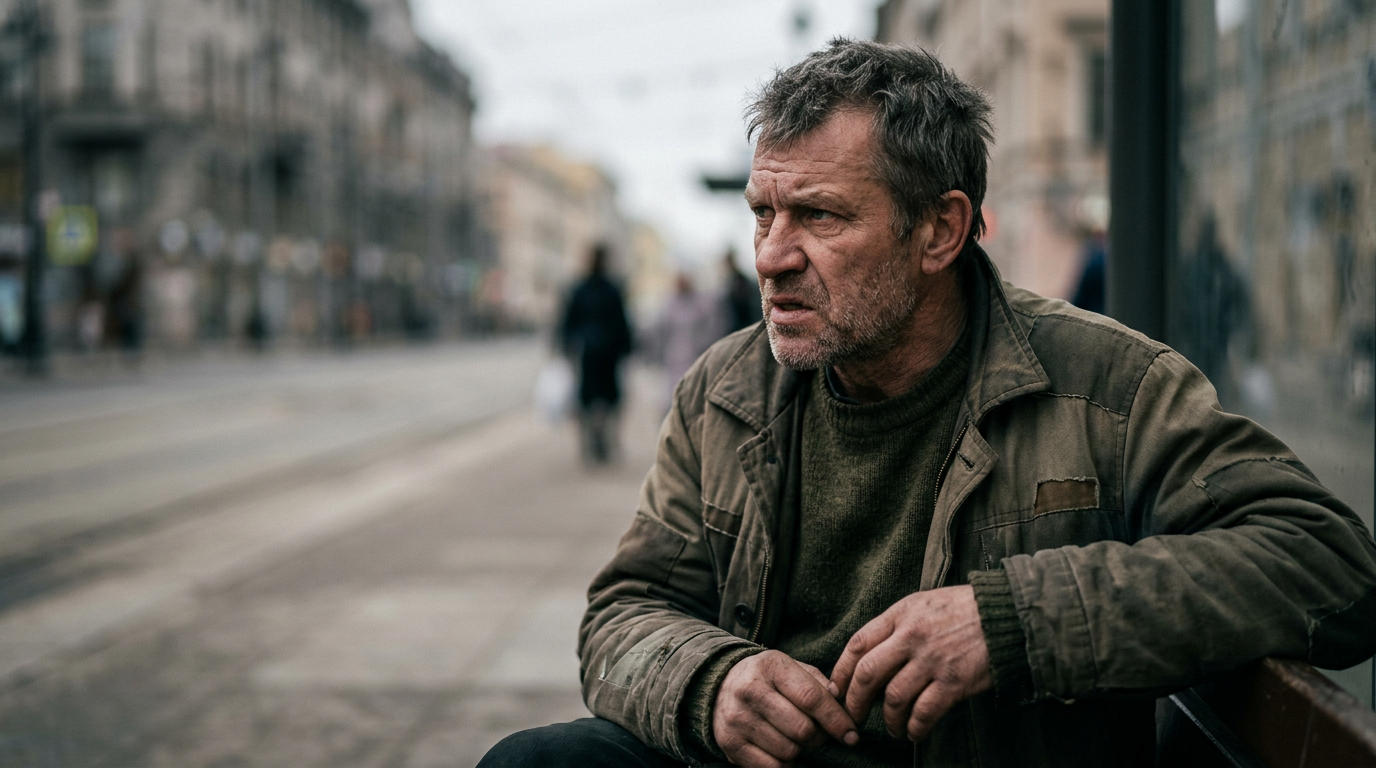
Mounting Frustration Grips Russia as Economic Hardship and War's Toll Deepen
Moscow, Russia – A palpable shift in public sentiment is emerging across Russia, with growing frustration among citizens fueled by a confluence of economic pressures, increasing internet restrictions, and the undeniable...

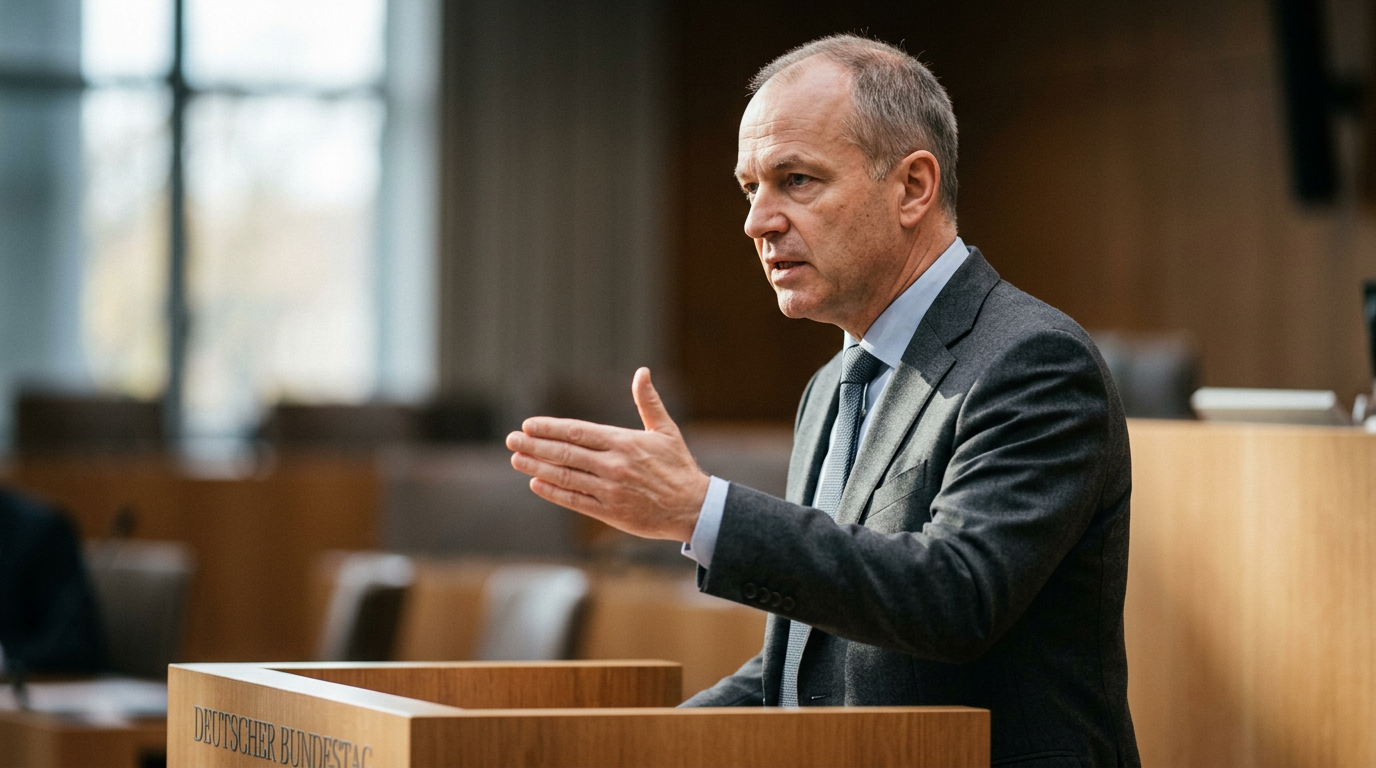
Germany's Strategic Calculus: Ukraine Aid is an Investment in European Security, Not Charity
Berlin – The ongoing provision of substantial aid to Ukraine by Germany and its allies is increasingly being framed not as an act of altruism, but as a crucial investment in European security and stability. This...